



Finding the way to tomorrow's skills
TEXTILE COMPASS is a four-year Erasmus+ project that brings education and industry together to build the skills Europe's technical textile sector needs, today and in the future.
Why this project matters
Technical textiles are found in operating rooms, aircraft, protective equipment, vehicles, roads and air filters. They are a high-tech, strategic industry for Europe, and essential for producing critical goods closer to home.
But experienced workers are retiring, jobs are becoming more specialised, and training has not kept pace.
TEXTILE COMPASS was created to close this gap.
- 750,000 textile workers expected to retire by 2030
- 42% of the sector’s workforce is over 50
- 57 in 100 future job openings will need higher-level qualifications
- 12 in 3,000 official European job profiles are specific to technical textiles
Where technical textiles make a difference
The project focuses on five strategic sectors where advanced textiles are essential:
-

Defence and protection
Protective gear, high-performance armour and heat-shielding materials.
-

Medical and healthcare
Surgical gowns and drapes, and textile implants such as stents and grafts.
-
Mobility and transport
Airbags, seatbelts and lightweight composites for electric vehicles.
-
Infrastructure, agriculture and environment
Smart geotextiles, architectural membranes and industrial filtration.
-
Advanced materials and processing
Bio-based polymers, smart finishing and life-cycle assessment for circularity.
What we want to achieve
Four goals guide everything we do
Define the skills of the future
We map the skills the sector needs and turn them into official European job profiles, recognised through ESCO.
15+ new European job profiles
Prepare tomorrow's professionals
New programmes for universities and vocational schools that mix textiles with digital tech, materials science and sustainability.
18 new training programmes
Train today's workforce
Short, practical courses for people already working in the industry, with micro-credentials they can show employers.
15 short training modules
Make the sector attractive
Campaigns, challenges and hands-on experiences that show young people what a career in technical textiles looks like.
15% more young people interested in the sector
Months 1 to 18
Rapid upskilling
Short, modular training for people already working in the industry, focused on urgent needs such as AI-driven quality control and digital traceability.
Years 2 to 4
Future-proof education
New occupational profiles and full curricula at specialist, bachelor and master level, developed with industry to prepare learners for the next decade.
Two tracks, one direction
We respond to the industry's needs right now, while building the education it will need over the next decade. Training content is developed in six-month cycles, tested with learners and reviewed by academic and industry experts.
What the project will offer
The Virtual Academy
A multilingual, mobile-friendly learning platform with training courses, an interactive dashboard and map of the skills companies need across Europe, and a library of partner resources.
Recognised qualifications
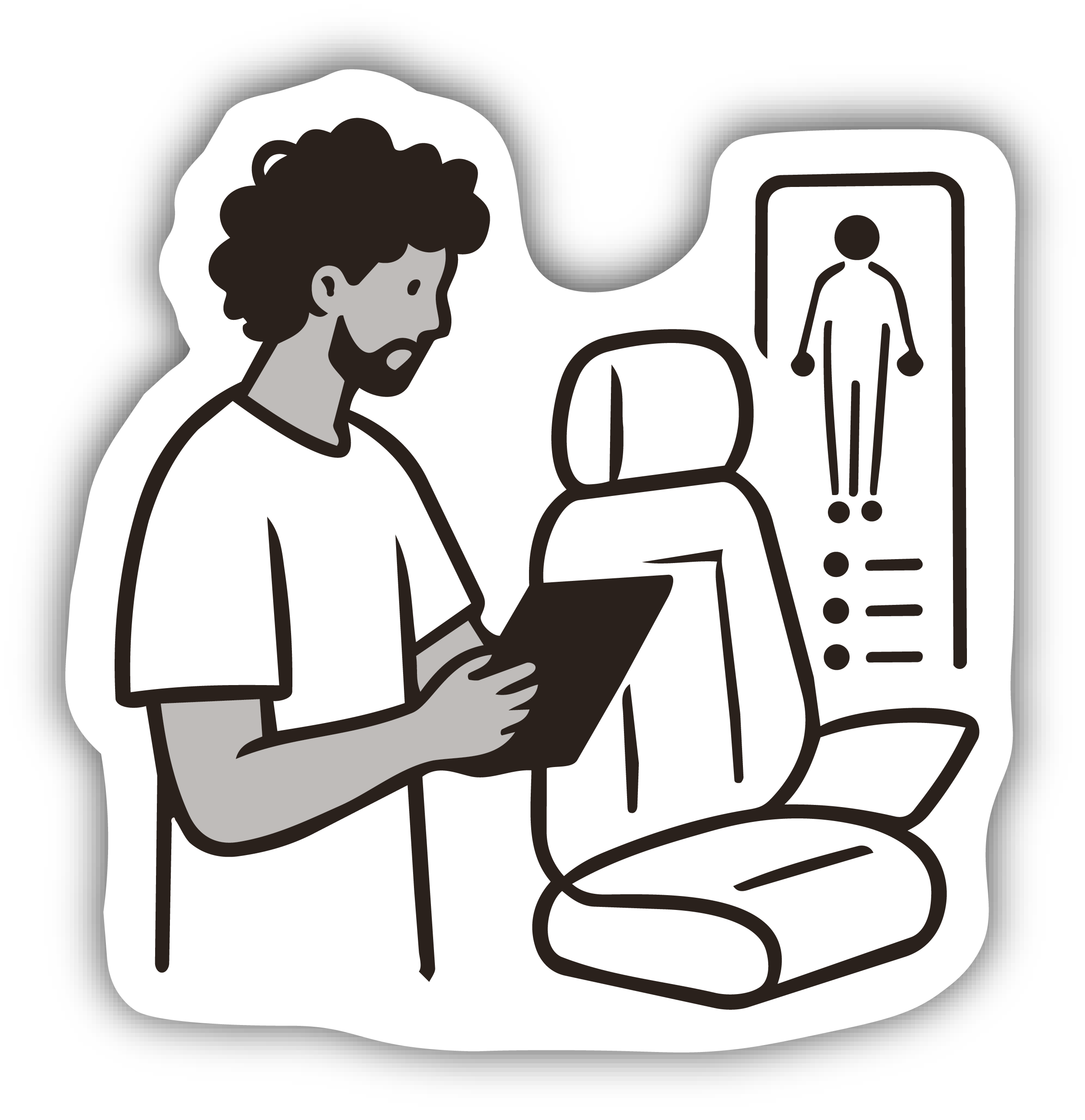
All training is aligned with European frameworks (ESCO and EQF). At least 500 learners will receive digital Europass credentials, recognised across borders.
Hands-on experiences
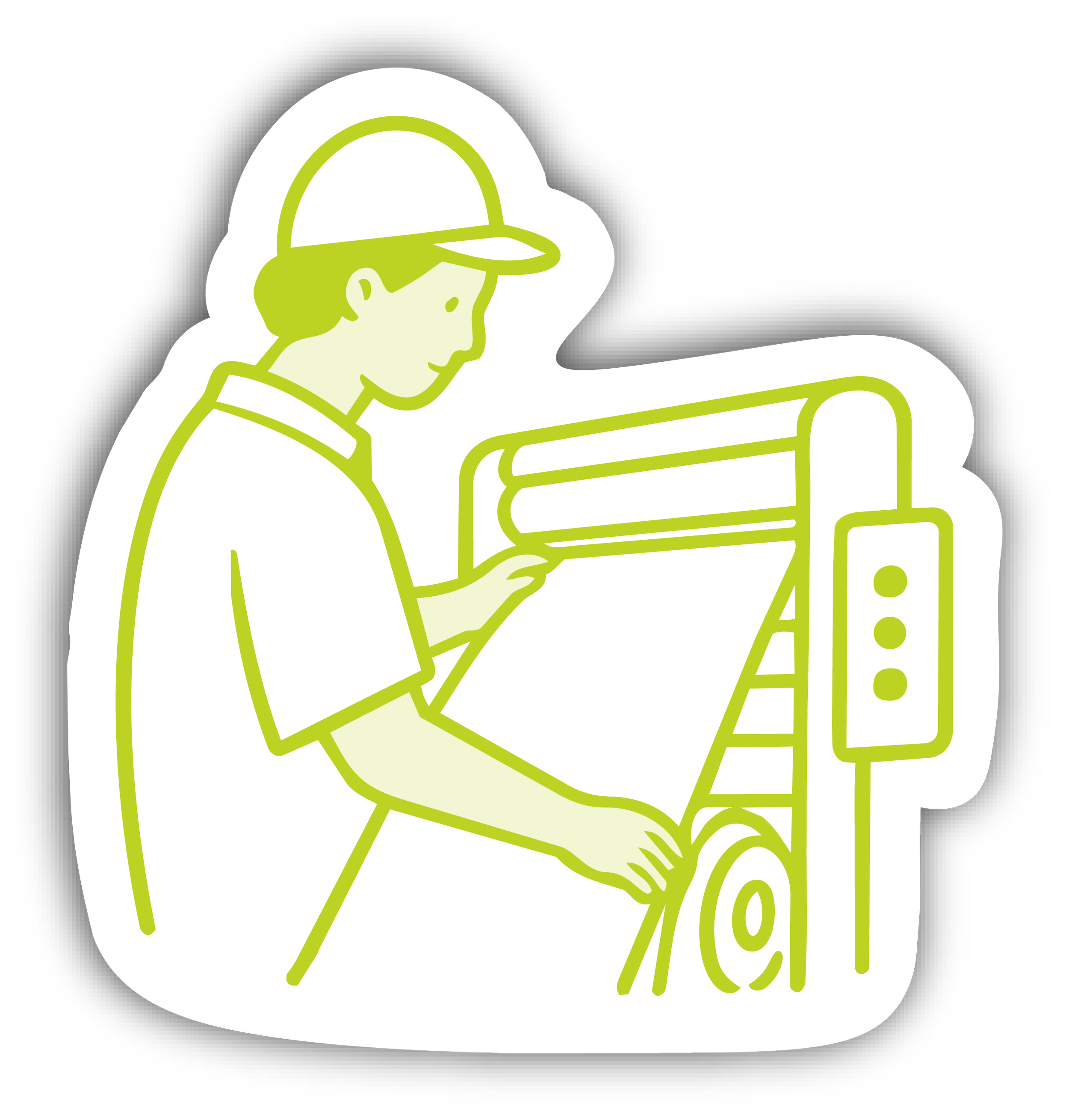
8 Accelerator Weeks with machine-level training, 3 international hackathons on real industry challenges, Industry Xchanges inside host companies, and Competence Labs across Europe.
Skills intelligence
The first Sectoral Skills Strategy for technical textiles, plus annual Skills Outlook reports guiding education providers, companies and policymakers.
TEXTILE COMPASS brings together 20 partners and 3 associated partners: universities, vocational training providers, research and technology centres, industry associations, and international and regional agencies.

Publications
Reports, skills outlooks, training resources and other project results will be published here as they become available.


Stay connected





Co-funded by the European Union. Views and opinions expressed are however those of the author(s) only and do not necessarily reflect those of the European Union or European Education and Culture Executive Agency (EACEA). Neither the European Union nor the granting authority can be held responsible for them.
© Copyright 2026 • Textile Compass • All Rights Reserved