

Publications
Discover the publications from the ECOSYSTEX community and its members.
Videos are available on ECOSYSTEX’s YouTube channel.
Filter by projects
- AEQUALIS4TCLF 2
- All 126
- CALIMERO 3
- CEMTex 1
- CISUTAC 9
- Colour4CRAFTS 1
- ECOSYSTEX 3
- EFFECTIVE 4
- Green-Tex 1
- HEREWEAR 3
- Hemp4circularity 1
- IMASUS 1
- IRISS 4
- LIFE TREATS 1
- My-Fi 2
- New Cotton 5
- PESCO-UP 1
- PLASTICE 4
- PROPLANET 8
- REDOL 3
- RegioGreenTex 15
- SCIRT 8
- SEiSC Project 1
- SOLSTICE 5
- SUSTRACK 9
- T-Rex 7
- TEX-BREIN 1
- TRUSTEX 13
- VERDEinMED 1
- VETRINE 2
- W4TEX 3
- Waste2BioComp 1
- WhiteCycle 2
- tExtended 1
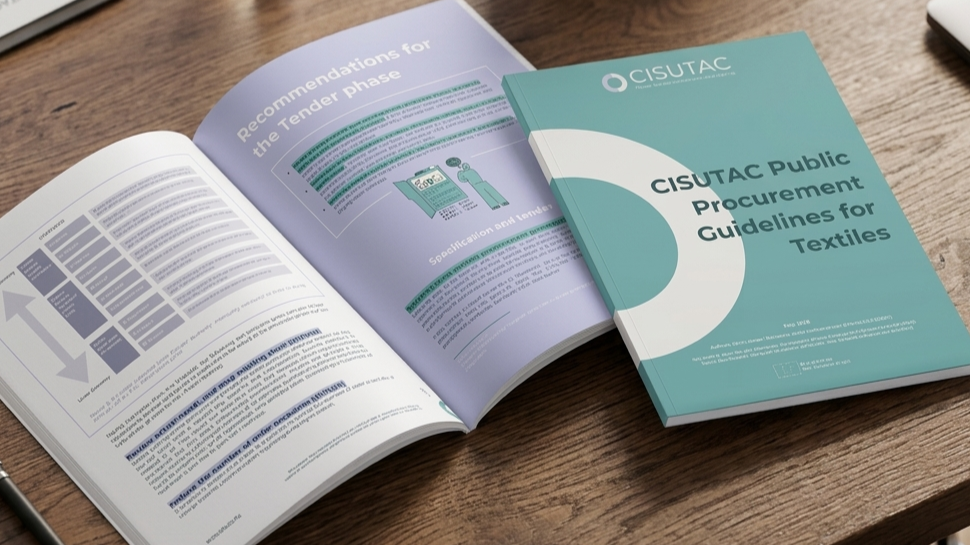
CISUTAC’s Public Procurement Guidelines for Textiles
CISUTAC guidelines support contracting authorities in integrating circular economy principles into the procurement of professional textiles, with a focus on workwear, uniforms and PPE. They provide practical recommendations, tools and good practices across the full procurement cycle and builds on existing European, national and regional guidance, as well as insights from EU-funded projects and stakeholder consultations.
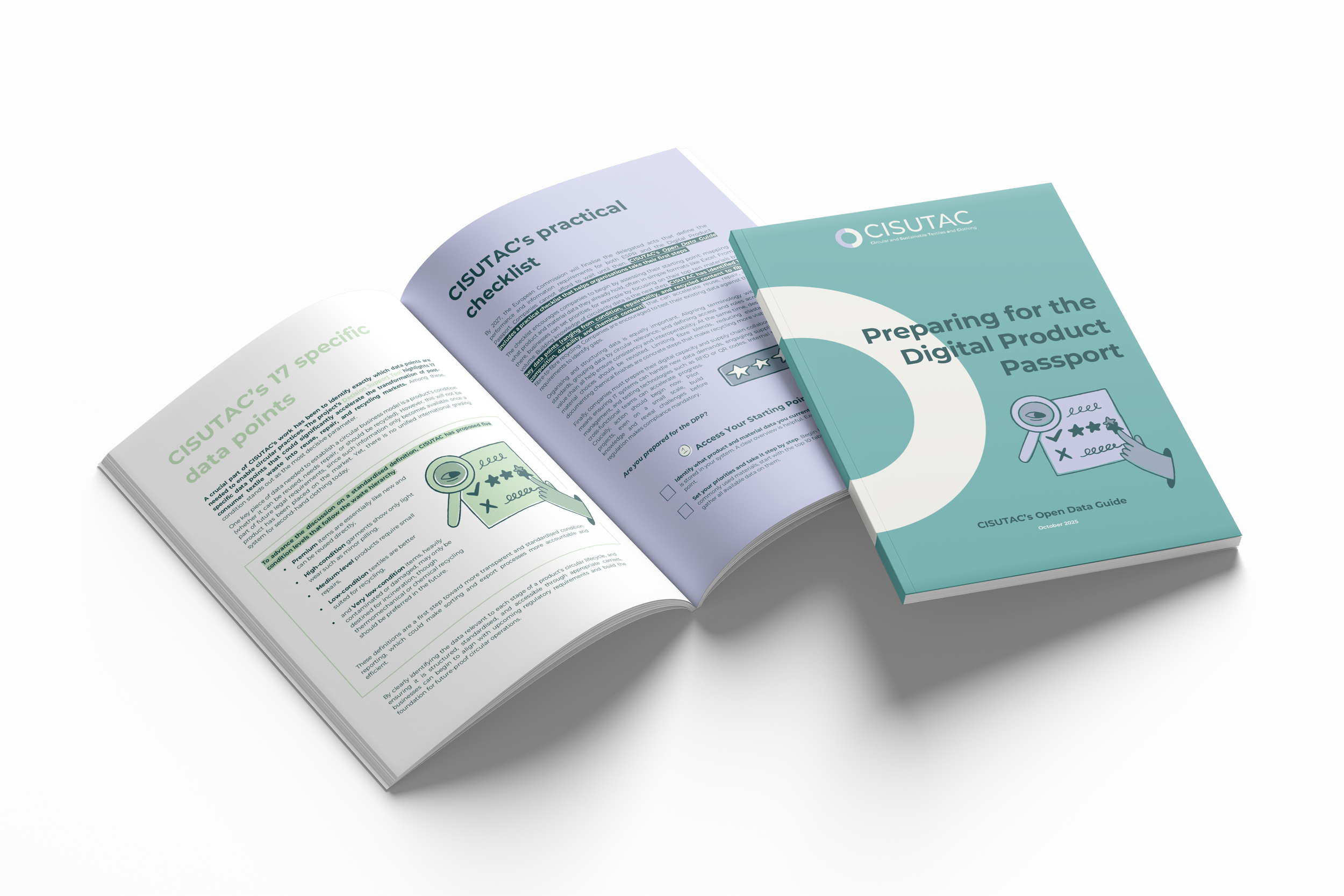
CISUTAC’s Open Data Guide
The guide explores how the textile industry can overcome the critical bottleneck of insufficient data accessibility, laying out practical steps for brands, recyclers, and other stakeholders in the value chain to prepare for the forthcoming Digital Product Passport under the Ecodesign for Sustainable Products Regulation.
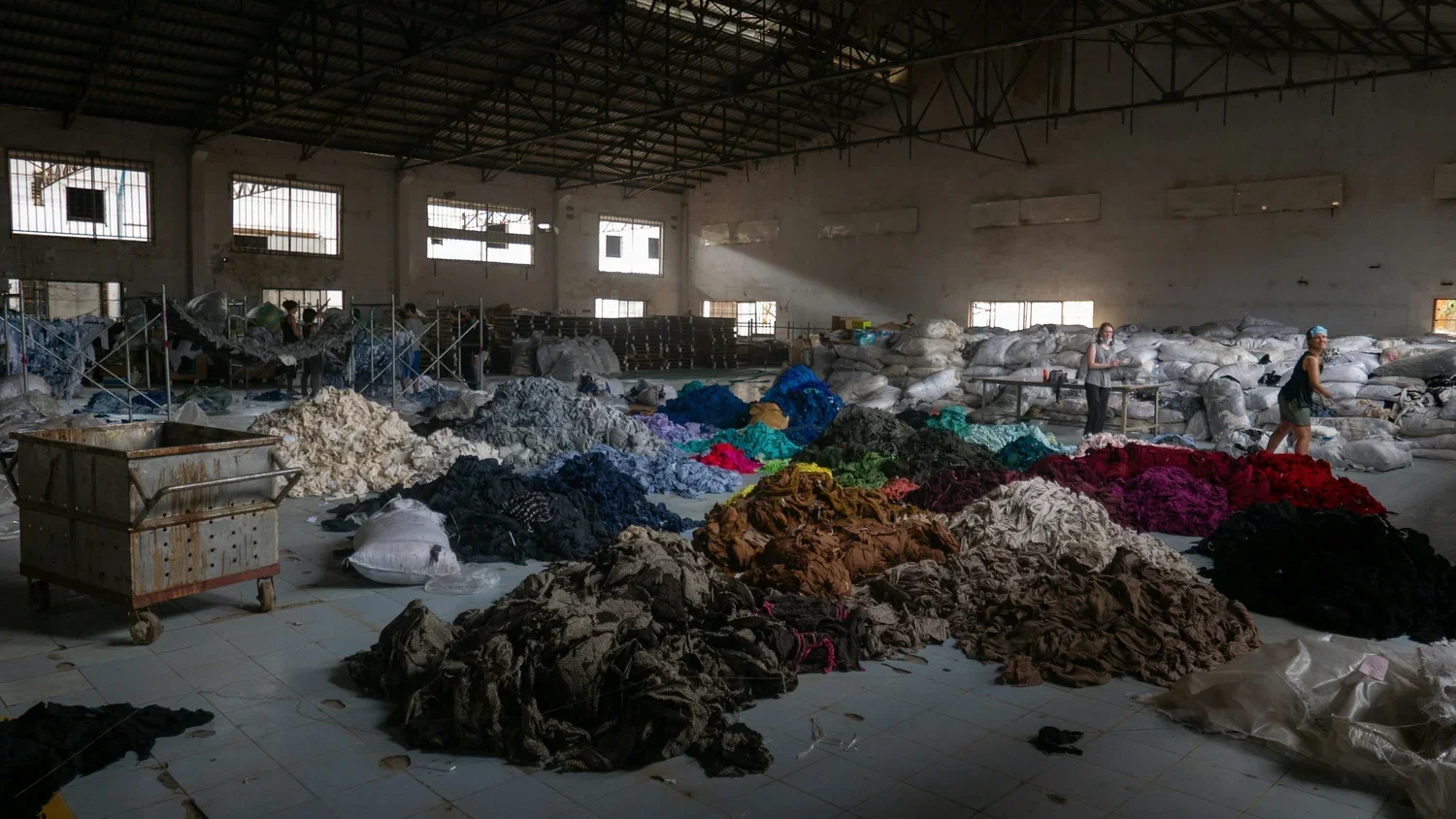
CISUTAC shared vision for a Circular and Sustainable EU Textile Sector: Supporting waste prevention and reduction
At the top of the waste hierarchy, waste prevention measures are pivotal to achieving the textile sector’s transition towards circularity. The role of prevention and reuse of textile waste represents a significant potential for reducing greenhouse emissions. CISUTAC provides policy recommendations supporting waste prevention and reduction and advances their realisation by filling technological and knowledge gaps through several pilots and activities.

CISUTAC’s guidelines for local embedding and link with CCRI
The work provides an overview of the key instruments within the reach of local and regional authorities to improve the circularity of textile material flows, especially via citizens and engagement.

CISUTAC’s decision support tool for post-consumer textiles on reuse and repair
The work conducted led to two main outcomes: the creation of a unique dataset comprising 30,000 PCT garments , and the development of an AI model. The dataset includes images and annotations for each garment, capturing the complexities introduced by wear, tear, and alterations during the user phase. Unlike existing datasets that focus on pre-consumer textiles, this collection provides a more realistic foundation for developing digital sorting solutions.

CISUTAC’s unlocking opportunities for circular business models in textiles: phasing out linearity
The aim of this report is to provide a comprehensive overview of circular textile business models. To this end, the report analyses existing textile repair, reuse and recycling systems in the EU and the trends that influence their operation. Based on these findings, the research explores the reasons behind the difficulties observed and proposes solutions to overcome them.

CISUTAC's solution for post-consumer textile waste management
CISUSTAC’s open-sourced tool revolutionises the way we approach post-consumer textile waste by prioritising data points for efficient sorting to reuse, and recycling. The tool empowers the textile ecosystem to make informed decisions, driving a digital change in line with the upcoming digital product passport legislation, and enable a more accurate feedstock for the recycling industry and unlock potential for the reuse market

CISUTAC’s Circular Transition Scenarios & Software for Post-Consumer Textile Waste Channelling
As part of the CISUTAC project, RISE and Centexbel (with the support of other partners) released a comprehensive report titled "Circular Transition Scenarios & Software for Post-Consumer Textile Waste Channelling" that serves as a guiding compass, offering insights into various pathways for Europe's textile industry to achieve a circular future.

CISUTAC shared vision for a Circular and Sustainable EU Textile Sector: A European EPR that drives circularity
Extended Producer Responsibility (EPR) aims to ensure that producers contribute to the costs of waste management and bear financial responsibility or financial and organizational responsibility for the end-of-life phase of their products. EPR has been identified as a key element of CISUTAC vision. If properly implemented, EPR could reduce the environmental impact of textiles, promote circular business models such as reuse and recycling, and contribute to more efficient end-of-life management. CISUTAC vision on EPR proposes a set of guiding principles for an EU-wide textiles EPR that supports the shift to circular economy.